
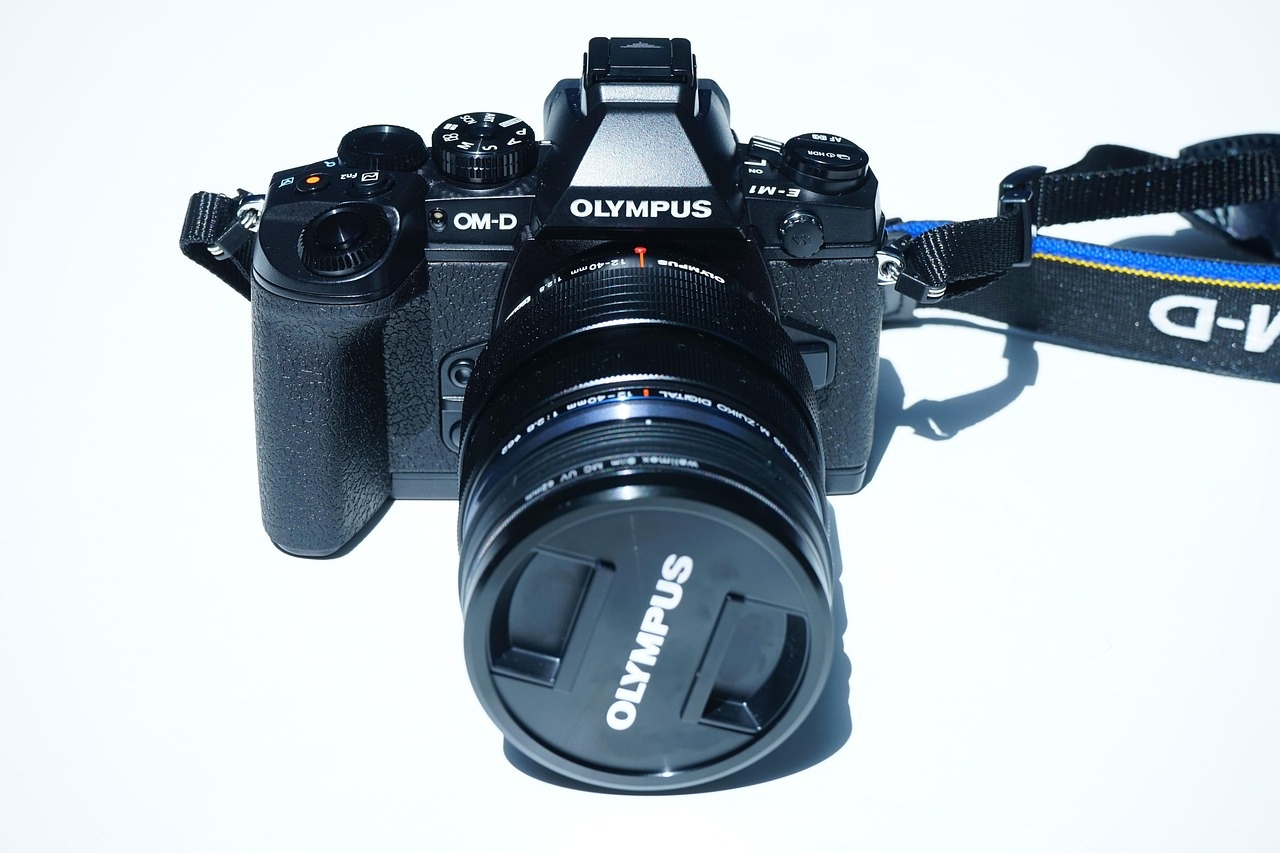
Natural light is the most accessible lighting tool a photographer has. Learning to read and shape it will transform your portraits, travel shots and everyday scenes.
Why Natural Light First?
Before buying expensive lighting equipment, photographers should learn to see the light that already exists. Natural light changes direction, colour and quality throughout the day, which means the same location can look completely different depending on when you shoot.
The Qualities of Natural Light
Not all daylight is the same. The two most important qualities are direction and hardness. Front light flattens features and reduces shadows. Side light creates texture and depth. Backlight can separate a subject from the background but often needs careful exposure.
"The best light is rarely the brightest light. It is the most directional, soft and flattering light for your subject."
Window Light for Portraits
A large window is the simplest softbox you will ever use. Place your subject at an angle to the window to create gentle modelling on the face. Use a reflector or a white wall on the shadow side to reduce contrast without eliminating depth.
Pro Tip
Move your subject closer to the window for brighter, more contrasty light. Move them farther away for softer, more even illumination.
Golden Hour and Blue Hour
Golden hour, the hour after sunrise and before sunset, produces warm, soft light that flatters skin and landscapes. Blue hour, the period just before sunrise and after sunset, delivers cool, even light that is ideal for cityscapes and reflective surfaces.
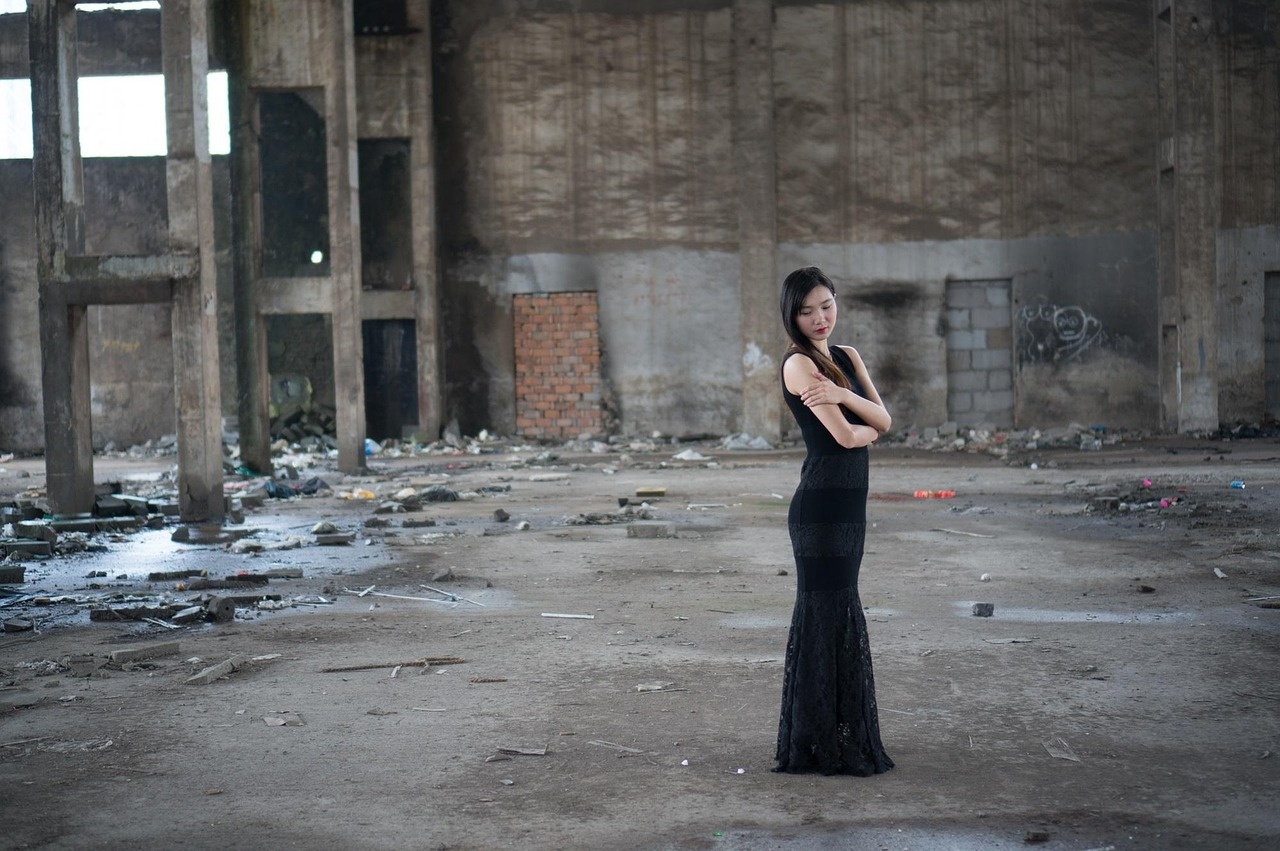
Open Shade
Direct midday sun creates harsh shadows and unflattering hotspots. Moving your subject into open shade, such as under a tree awning or building overhang, gives you soft, directional light without the harsh contrast. Just make sure the background is not overexposed.
Diffusion and Reflection
You can shape natural light with simple tools. A sheer curtain diffuses harsh window light. A white card or reflector bounces light back onto the shadow side of the face. A black card, or flag, can block unwanted reflections and add contrast.
Common Mistakes
- Shooting in direct midday sun without diffusion
- Forgetting to check the background exposure
- Placing the subject with their back to a bright window without compensation
- Relying on auto white balance in mixed lighting
Conclusion
Natural light photography teaches you to observe, adapt and make quick decisions. The skills you develop here form the foundation for every other lighting technique, from reflectors to studio strobes.
Try This Week
Photograph the same subject at three different times of day: early morning, midday and late afternoon. Compare how direction and quality change the mood of the image.